
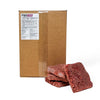
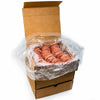
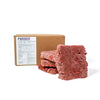
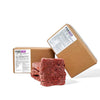
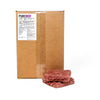

Dehydrated Pig Ears for Dogs: A Simple, Natural Chew
If you’re looking for a treat your dog gets genuinely excited about, dehydrated pig ears are one of those go-to options. They’re simple, single-ingredient, and have a texture that keeps dogs engaged.
For many dog owners, pig ears are a staple treat, something you can grab knowing your dog will be just as excited every time.
What Makes Pig Ears a Popular Choice
There’s something about a pig ear that immediately gets a dog’s attention. Between the smell, texture, and chew factor, it’s a treat that stands out compared to smaller, quick snacks.
Pig ears offer:
• A firm, chewable texture
• A longer-lasting option compared to soft treats
• A single-ingredient chew
Because of their structure, pig ears give dogs something to work through, making them a different experience than quick, bite-sized treats.
A Natural Chewing Experience
Chewing is a natural behavior for dogs, and pig ears provide an option that allows them to settle in and focus.
Some dogs will work through them quickly, while others take their time. Either way, it’s a treat that tends to hold their attention longer than many other options.
Nutritional Characteristics of Pig Ears
Dehydrated pig ears naturally contain:
• Protein
• Fat
Because of this, many owners choose to offer pig ears as an occasional chew rather than an everyday treat.
As with any chew, portioning and frequency can be adjusted based on your dog and their routine.
When to Offer Pig Ears
Pig ears are often used in a few simple ways:
• As a longer-lasting treat
• As a reward after the activity
• As something to keep dogs occupied for a period of time
They’re easy to grab, easy to store, and don’t require any prep.
Keeping It Simple
One of the reasons pig ears continue to be a popular option is their simplicity. There’s no complicated ingredient list or preparation—just a single-ingredient chew that dogs recognize and enjoy.
For many households, it’s one of those treats that just works.
A Quick Note on Feeding
As with any chew, supervision is recommended, especially when introducing pig ears.
